Wedding Invitation Wording Guide
Wedding invitation wording examples for formal, casual, and digital invites — hosts, dates, RSVP lines, plus-ones, and tone that still feels like you.
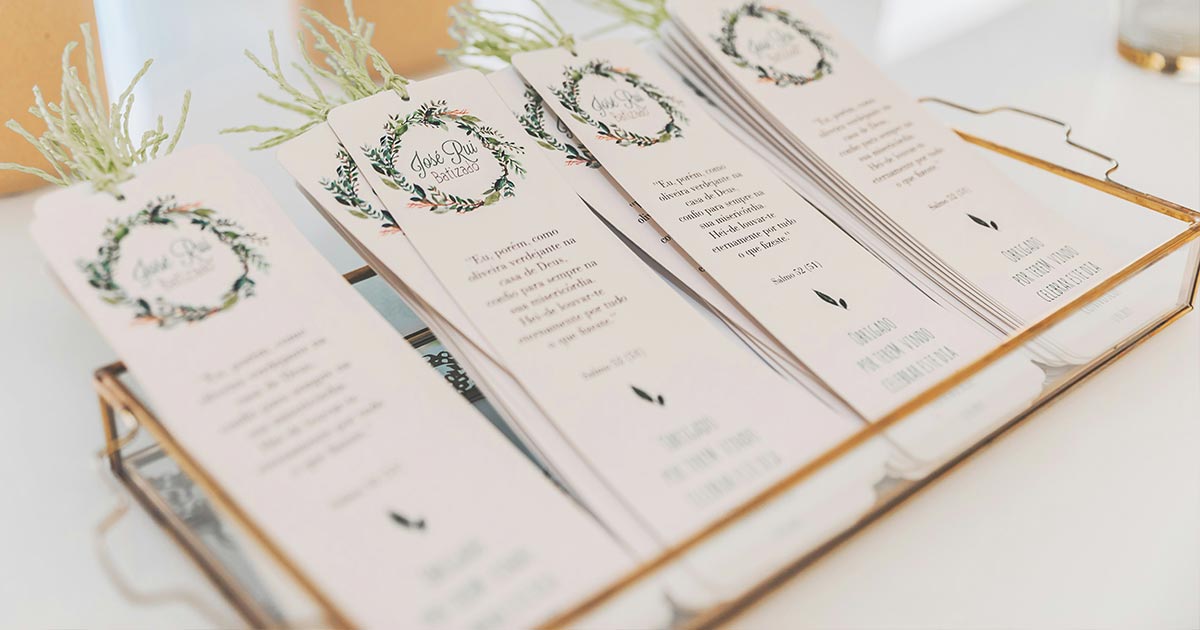
I rewrote our invitation wording eleven times. Formal felt stiff, casual felt like a birthday BBQ, and every template online used phrases nobody actually says out loud (“honour of your presence”). This guide collects the wedding invitation wording examples we landed on — plus the rules behind them so you can adapt without sounding like a Victorian clerk or a Slack message.
The Building Blocks of Wedding Invitation Wording
Every invitation — paper or digital — needs the same skeleton:
- Host line — who is inviting
- Request line — “request the pleasure of your company” or a casual equivalent
- Names — the couple
- Date and time — spelled out for formal; numerals fine for casual/digital
- Venue — name and city; full street address often lives on the website or detail card
- Reception line — if celebration follows (“Dinner and dancing to follow”)
- RSVP line — deadline and method
For digital invites, the last line points to your site. Read our digital wedding invitations guide for how wording sits inside an animated mobile layout.
Optional lines: dress code, “black tie invited,” adult reception notes, and a wedding website URL. Registry does not belong on the invitation itself.
Host Line: Who Is Inviting?
Wording starts with honesty about who hosts.
Parents hosting (classic)
Mr. and Mrs. Robert Hayes
request the pleasure of your company
at the marriage of their daughter
Emily Anne Hayes
to
Michael James Ortiz
Both sets of parents
Mr. and Mrs. Robert Hayes
and
Mr. and Mrs. Luis Ortiz
request the honour of your presence
at the marriage of their children
Emily Hayes and Michael Ortiz
Couple hosting
Emily Hayes and Michael Ortiz
invite you to celebrate their marriage
Together with their families (modern favorite)
Together with their families
Emily Hayes and Michael Ortiz
request the pleasure of your company
at their wedding
Divorced or remarried parents
Keep it simple and kind. List names on separate lines without forcing a household fiction:
Ms. Laura Hayes
and
Mr. Robert Hayes
invite you to the wedding of their daughter…
If relationships are sensitive, “Together with their families” is a diplomatic gift.
Deceased parent
Some couples include a parent in memoriam in programs rather than on the invitation host line. If you include them, work with a trusted relative on phrasing so it feels honoring, not awkward. There is no single correct line — only a respectful one for your family.
Request Lines: Formal vs Warm
Very formal / ceremony in a house of worship:
“request the honour of your presence”
Formal secular:
“request the pleasure of your company”
Modern warm:
“invite you to celebrate with them”
“would love for you to join them”
“invite you to their wedding celebration”
British spelling “honour” appears in traditional US formal church wording; “honor” is also widely accepted. Pick one spelling and stay consistent across the suite.
Match the request line to the room. Black-tie ballroom can carry “pleasure of your company.” A brewery reception may feel odd with “honour of your presence.”
Names: Order, Initials, and Dual Surnames
Traditional hetero formal invitations list the bride first. That rule is etiquette history, not moral law. Modern options:
- Bride first (classic)
- Alphabetical by first name
- The order you use in daily life and monogram
- Side-by-side with equal visual weight on digital designs
Include middle names on ultra-formal paper if you love them; skip on casual digital invites if the layout feels crowded.
After marriage name changes: invitation wording usually uses current legal/preferred names as of the wedding announcement. Website bios can mention future name preferences if you want — optional.
Date and Time Wording
Formal (spell out):
Saturday, the fifteenth of June
two thousand twenty-six
at half after four o’clock in the afternoon
Semi-formal:
Saturday, June 15, 2026
at 4:30 in the afternoon
Casual / digital-friendly:
Saturday, June 15, 2026 at 4:30 p.m.
Tips:
- Use “half after four” only if you are fully committed to formal voice everywhere.
- Include a.m./p.m. or “in the evening” to prevent disasters.
- Add the time zone on the wedding website when guests fly in.
- Spell out numbers in formal lines; numerals are clearer on phones.
Venue Wording
On the invitation:
First Presbyterian Church
Charleston, South Carolina
or
The Gardens at Elmwood
Austin, Texas
Full street address typically goes on:
- Reception card
- Wedding website map section
- Digital invitation details blocks
Crowding a formal invite with a multi-line street address is optional, not mandatory — clarity for out-of-towners matters more than purity. Digital invites should almost always show a map button beside the venue name.
If ceremony and reception are different places, say so:
Ceremony at four o’clock
First Presbyterian Church
CharlestonReception to follow
The Harbour Club
Reception Lines
Useful standards:
- “Reception to follow”
- “Dinner and dancing to follow”
- “Cocktails, dinner, and dancing to follow”
- “Join us afterward for dinner and dancing at [venue]”
If the reception is not immediate: “Reception at six o’clock” with venue.
If adults-only: prefer website FAQ over a cold line on the main invite, unless your crowd needs the bluntness on paper. Soft version on a details card: “We kindly request an adults-only reception.”
RSVP Wording (Paper and Online)
The invitation needs the deadline and the method — not the meal menu.
Classic reply card:
The favour of a reply is requested by the first of August
Direct:
Kindly respond by August 1
Website / online RSVP:
Please RSVP at emilyandmichael.com by August 1
Kindly reply on our wedding website by August 1
QR hybrid:
Scan to RSVP by August 1
(print URL underneath the code)
Deeper form setup: online wedding RSVP guide. Timing: when to send wedding invitations.
Full Formal Wedding Invitation Wording Example
Mr. and Mrs. Robert Hayes
request the honour of your presence
at the marriage of their daughter
Emily Anne
to
Michael James Ortiz
Saturday, the fifteenth of June
two thousand twenty-six
at half after four o’clock in the afternoon
First Presbyterian Church
Charleston, South Carolina
Reception to follow
The Harbour Club
Kindly respond by the first of August
Full Modern Couple-Hosted Example
Together with their families
Emily Hayes and Michael Ortiz
invite you to celebrate their marriage
Saturday, June 15, 2026
at 4:30 p.m.
The Gardens at Elmwood
Austin, Texas
Dinner and dancing to follow
Please RSVP at emilyandmichael.com by August 1
Casual Backyard / BBQ Example
Come celebrate with us!
Emily & Michael are getting married
Saturday, June 15 at 4:30 p.m.
412 Maple Street — backyard bash
Casual attire — lawn games welcome
RSVP by August 1 at emilyandmichael.com
Casual still needs the skeleton: who, when, where, how to reply. Casual is tone, not missing information.
Digital Wedding Invitation Wording Tips
Digital wedding invitations carry the same facts with slightly different constraints:
- Shorter lines read better on mobile hero screens
- Venue + map button beats a paragraph address
- RSVP can be a button (“RSVP by August 1”) rather than a calligraphy flourish
- Dress code as one clear sentence in a details section
- Opening animation can feel ceremonial even when the copy is modern
Do not let the medium make you sound like a calendar notification:
Weak: “Event: Emily/Michael Wedding. Add to calendar?”
Strong: “Emily and Michael invite you to celebrate their marriage — Saturday, June 15.”
Browse product patterns on digital wedding invitations.
Plus-One and Guest List Wording
The envelope (or digital addressee) does more work than a sentence on the invite.
- Named guest only → no plus-one implied
- “and Guest” → plus-one allowed
- “and Family” → clarify which family members on the website or inner envelope
Website FAQ examples:
We have reserved two seats in your honor and are unable to accommodate additional guests.
Children are welcome at the ceremony; our reception will be adults-only.
Never rely on vague vibes. Unclear plus-one wording creates seating-chart heartbreak.
Dress Code Wording Examples
- Black tie
- Black tie optional
- Formal attire
- Cocktail attire
- Semi-formal
- Garden party attire
- Casual — jeans welcome
- Beach formal (clarify: “suits without ties; dresses or jumpsuits; no stilettos in sand”)
One line beats a fashion essay. Put examples or color palette notes on the wedding website if helpful.
Wording for Second Marriages, Elopements, and Parties
Post-elopement celebration:
We eloped!
Now we want to celebrate with you
Join Emily and Michael for dinner and dancing
Saturday, June 15 at 6:00 p.m.
Vow renewal: similar skeleton with “renewal of vows.”
Second marriage: host lines follow who is actually hosting; couple-hosted is common and clean.
Multicultural and Bilingual Invitations
When two languages appear:
- Give each language a full clean block rather than mixing mid-sentence
- Keep names and numerals consistent across both
- Put RSVP method in both languages
- Confirm honorifics with elders who care
Digital sites handle bilingual sections well — paper suites may use two cards. Match formality across languages so one side does not feel like a translation afterthought.
What Not to Put on the Invitation
- Registry links or “cash preferred”
- Long travel essays (use the website)
- A list of twenty FAQs
- Passive-aggressive adult-only lectures (prefer firm-but-kind FAQ)
- Hashtags as the hero (fine in small print or site footer)
- Live stream URLs that may change (put on site)
Invitation wording is the ceremonial summary. Your what to put on a wedding website checklist holds the logistics dump.
Save-the-Date vs Invitation Wording
Save-the-date is lighter:
Please save the date
Emily Hayes and Michael Ortiz
June 15, 2026
Charleston, South Carolina
Invitation to follow
Do not put full RSVP demands on a save-the-date unless you are intentionally collecting early travel intent for a destination wedding — and even then, label it clearly as preliminary.
Proofreading Checklist for Wedding Invitation Wording
- Host names and spellings approved by the people named
- Couple names consistent with website and programs
- Day of week matches the calendar date
- a.m./p.m. or afternoon/evening clear
- Venue name official (not a nickname only)
- City/state correct
- Reception line accurate to the plan
- RSVP deadline matches the form and reminders
- URL live and typed correctly
- Dress code matches venue reality
- British/American honour/honor consistent
- One outside reader aloud-tested the draft
Read it out loud. If you stumble, guests will too.
Common Wording Mistakes
- Mixing ultra-formal and emoji-casual in the same suite
- Forgetting the year on destination invites planned across New Year
- Listing a venue nickname Google cannot find
- Putting registry on the invite
- RSVP deadline that conflicts with the website
- Assuming guests know which “St. Mary’s” you mean
- Writing “and family” without defining who that includes
- Overloading the invite so the website is ignored (or the reverse: invite so empty guests feel lost)
How Wording Connects to Design
On paper, long formal lines need breathing room and legible script sizes. On digital templates, prioritize:
- Names as the clearest element
- Date visible without pinch-zoom
- RSVP as a button with deadline nearby
If a formal paragraph breaks your mobile layout, keep formal paper for elders and a tightened digital version for the link — same facts, adjusted line breaks. Examples of layouts that carry wording well: wedding website examples.
More Wedding Invitation Wording Examples by Scenario
Military or titled hosts
Keep titles accurate and confirm with the people who hold them. When in doubt, ask — invented rank lines cause lasting irritation.
Same-sex couples
Use the same building blocks. Name order is preference, not a fixed etiquette law. “Together with their families” remains a graceful host line when many people contributed.
Outdoor / sunset timing
at five o’clock in the evening
as the sun sets over [venue]
If timing depends on sunset, still put a clock time guests can plan around; poetry alone makes rideshares impossible.
Private ceremony, public reception
[Names] were married in a private ceremony
Please join us for a reception celebrating their marriage
Saturday, June 15 at 6:00 p.m.
Clarity prevents guests from arriving for vows that already happened.
Postponement / date change
Send a short, direct update — do not rely on people noticing a quiet website edit:
Our wedding date has moved to September 12, 2026
Please save the new date — invitation details at [URL]
Then update every public line on the site the same day.
RSVP Card Wording vs Online RSVP Wording
Paper reply cards often include accept/decline checkboxes and meal choices. Online forms replace those checkboxes with fields — so invitation-facing wording can stay shorter:
Paper card: accept/decline + meal + name line
Invitation + website: “Kindly respond by August 1 at [URL]”
If you mail a card and collect online, say which method you prefer to avoid double replies. Preferred: “Please RSVP online at [URL] by August 1.”
Envelope Addressing Still Affects Wording
Inner/outer envelope traditions tell guests who is invited more clearly than a FAQ. Even with digital-first invites, your email personalization or guest-list addressee should match policy:
- “Jordan Lee” → no plus-one
- “Jordan Lee and Guest” → plus-one
- “The Lee Family” → define which Lees on the site
Wording on the invite cannot fix a misleading addressee line.
British, Canadian, and US Spelling Choices
Pick a lane for the suite:
- honour / favour (traditional formal US church or UK)
- honor / favor (modern US)
Website body copy can be slightly more casual than the invitation hero, but spelling of key ceremonial lines should match across PDF proofs, digital invite, and programs.
Collaborating on Wording Without Endless Rewrites
A process that limits the eleven-draft spiral:
- Agree host line politics in one conversation
- Draft facts (date, venues, deadline) in a shared note
- Write one formal and one modern version
- Pick a direction; stop mixing
- One outside reader; one elder reader
- Lock text before design polish
Designers should not be inventing your host line at midnight before print.
What We Would Do Differently
We would have locked host-line politics before choosing fonts. We would have written the RSVP sentence before designing the envelope liner. And we would have given one skeptical relative the draft earlier — they caught a weekday/date mismatch we stared past for a week.
Good wedding invitation wording is not about sounding fancy. It is about sounding like the wedding you are actually throwing, with enough ceremony that guests feel invited — and enough clarity that they know how to answer.
Ready to Put Your Wording on a Live Invite?
Draft your lines, then place them on a designer template with online RSVP and a shareable link. Explore digital wedding invitations and wedding websites on Join Wedding — so your wording lives where guests can RSVP, map the venue, and reread the dress code without digging through a group chat.
Build your wedding website
Premium templates, RSVP, QR code, and analytics — one payment, publish tonight.
See this feature View templatesFAQ
What must appear on a wedding invitation?
Hosts (who is inviting), couple's names, date, time, venue names and cities, and how to RSVP. Spell out dates in formal copy; numerals are fine for casual or digital invites.
How do I word RSVP on a digital invitation?
Use the same deadline language as paper — "Kindly respond by [date]" — and point to your wedding website. Example: "Please RSVP at sarahandjames.com by August 1."
How do I say no plus-ones?
Address the envelope to the named guest only and use guest-list RSVP online. In FAQ, write: "We have reserved seats in your honor and are unable to accommodate additional guests."
Who should be listed as hosts?
Traditionally parents who are paying; modern couples often host themselves: "Together with their families" or simply "Sarah Chen and James Miller invite you…"
Can invitation wording be casual?
Yes — match your wedding tone. A backyard BBQ can say "Come celebrate with us" while a black-tie hotel wedding keeps traditional phrasing.
Where do meal choices go?
Not on the invitation itself — on the RSVP form. The invite only needs the deadline and where to respond.
Bride or groom name first?
Traditional hetero formal invites list the bride first. Many modern couples use alphabetical order, preferred order, or side-by-side equality. Pick one rule and stay consistent across suite and website.
Do digital invites need the same wording as paper?
Same information, flexible formality. Digital wedding invitations can use slightly shorter lines because the website carries maps and FAQ — but the invite should still feel ceremonial, not like a calendar ping.